Understanding the psychological triggers behind gambling behavior in casinos
The Allure of Chance and Uncertainty
The excitement of gambling often stems from the thrill of chance and uncertainty. This element of unpredictability activates the brain’s reward system, releasing dopamine and creating a feeling of pleasure. For example, those interested in the latest gaming options may consider new casinos new zealand as a way to enhance their experiences. Gamblers often find themselves drawn to the idea of hitting it big, and this anticipation can be intoxicating. The unpredictability of outcomes creates a psychological high, compelling players to engage repeatedly in hopes of winning.

Moreover, this allure can be heightened by the environment of casinos. Bright lights, sounds of winning, and the presence of other players celebrating their wins all contribute to a heightened sense of excitement. This sensory stimulation reinforces the gambling behavior, making it difficult for individuals to walk away even after experiencing losses.
The Role of Cognitive Biases
Cognitive biases significantly influence gambling behavior, often leading individuals to overestimate their chances of winning. One common bias is the “gambler’s fallacy,” where individuals believe that past outcomes will influence future results, despite the independence of each event. For example, a player may think that if a slot machine hasn’t paid out in a while, it is “due” for a win. This misconception can lead to excessive play, as the individual feels more confident in their chances than they should. Additionally, confirmation bias leads players to remember wins and overlook losses, further distorting their perception of gambling.
The Impact of Social Influences
Social factors also play a significant role in gambling behavior. The social environment of casinos can create a sense of community among players, fostering camaraderie and competition. This social aspect can serve as a strong motivator for individuals to gamble, often leading them to engage in behaviors they might avoid when alone. The presence of friends or fellow gamblers can reinforce the excitement and provide a sense of belonging.
Furthermore, peer pressure can amplify gambling tendencies, particularly among younger players. When surrounded by friends who are engaging in gambling activities, individuals may feel compelled to participate to fit in or gain acceptance. This social validation can lead to increased risk-taking behaviors and a deeper engagement in gambling activities.
The Psychological Escape and Coping Mechanism
For some individuals, gambling serves as a psychological escape from daily stressors or emotional difficulties. The immersive experience of a casino can distract players from their problems, providing temporary relief from anxiety or depression. The focus required to play games effectively allows individuals to detach from their worries, creating a compelling reason to return. However, this reliance on gambling as a coping mechanism can quickly turn problematic.
As players seek to escape their reality, they may gamble more frequently or at higher stakes, potentially leading to a downward spiral of addiction. This cycle can have severe consequences, not only impacting the individual’s finances but also their mental and emotional well-being.
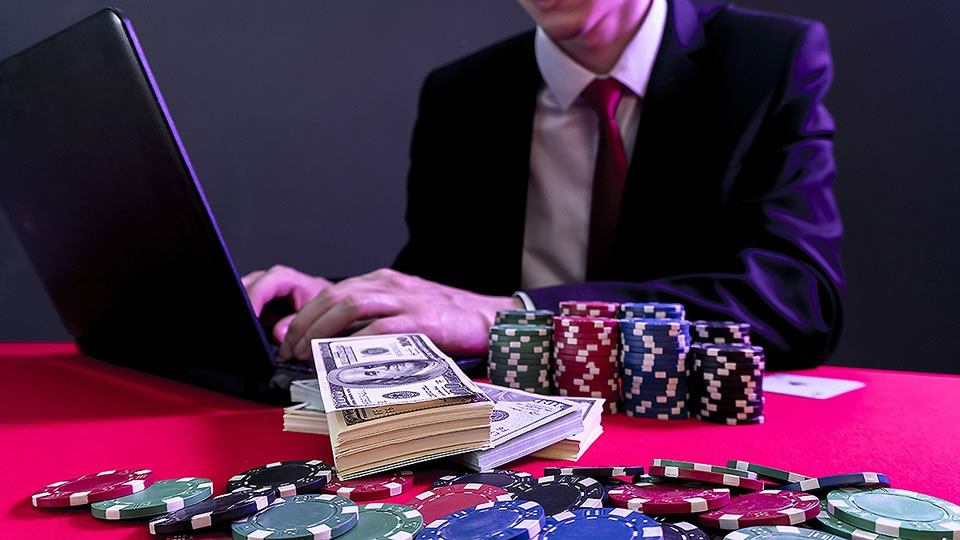
Exploring Responsible Gaming Resources
As the awareness of gambling-related issues grows, various resources have emerged to promote responsible gaming. It is essential for gamblers to understand their limits and recognize when gambling becomes problematic. Many casinos offer tools such as self-exclusion programs, which allow individuals to voluntarily restrict their access to gaming activities for a specified period.
Additionally, educational resources and support groups are available for those struggling with gambling addiction. Websites dedicated to providing information on responsible gaming practices emphasize the importance of balancing entertainment with mindfulness. By accessing these resources, individuals can make informed choices and enjoy gambling as a fun activity rather than a compulsive behavior.
Leave a Reply